Can Your Smartphone Really Take Card Payments? A Business Owner’s Guide to SoftPOS
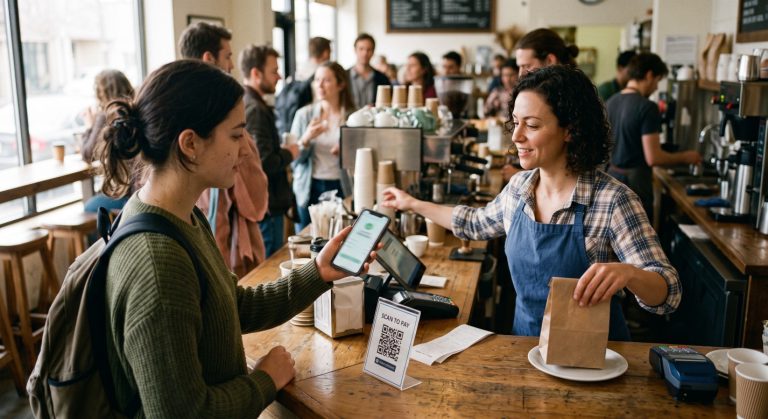
It’s a busy Saturday at a small café. The queue is out the door, and the only card machine sits at the counter. A customer at a corner table wants to pay and leave. Your staff member has to ask them to walk to the counter, wait in line, and pay there. Some customers will do that. Others will quietly give up and go.
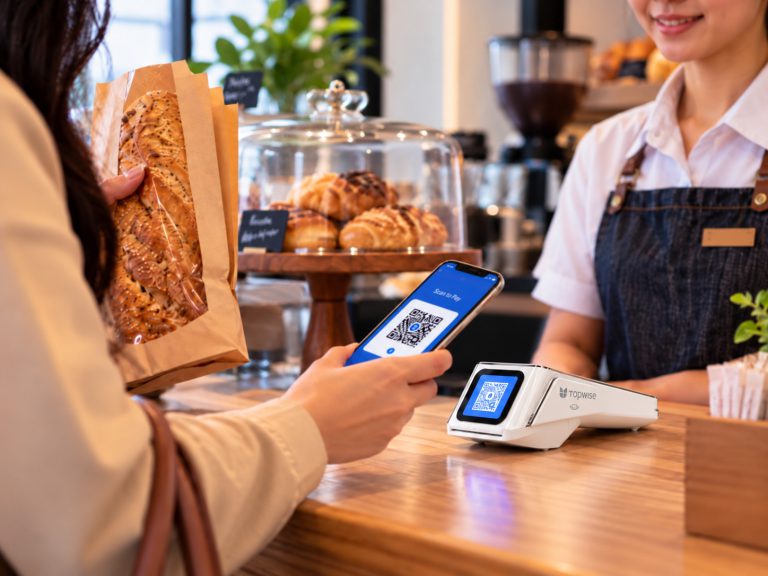
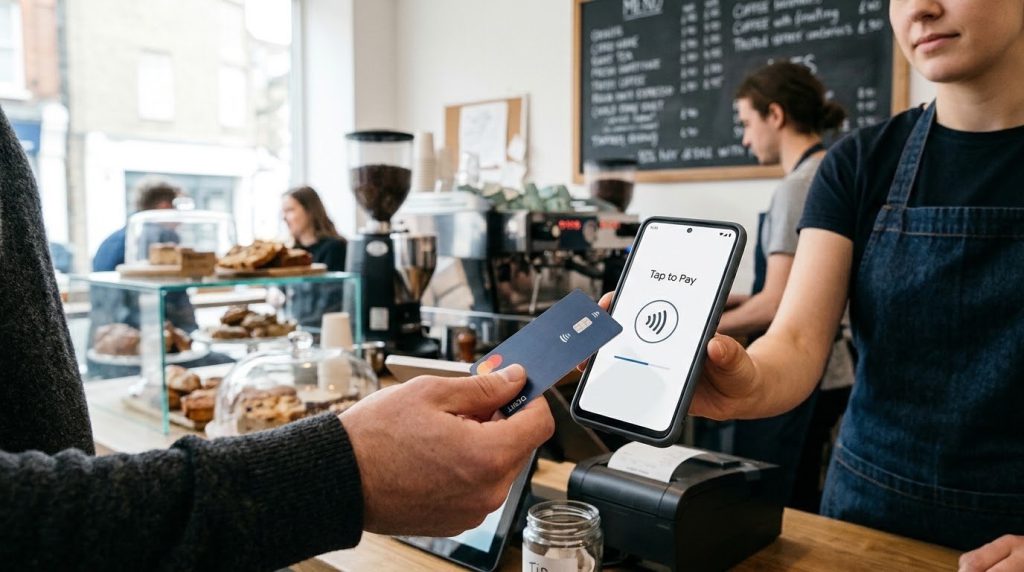
Now imagine the same staff member taking the payment right at the table, using a phone they already carry. The customer taps a card or phone, and the sale is done in seconds. This is the idea behind SoftPOS, a type of mobile payment solution that turns a compatible smartphone into a way to accept contactless payments.
But can a phone really replace a card machine? Sometimes yes, sometimes no, and often it’s a bit of both. This guide from CYNEXIX explains how SoftPOS works in plain English, where it helps, what to watch out for, and how to decide whether it suits your business.
SoftPOS stands for “software point of sale.” In simple terms, it lets you take card payments on a phone or tablet instead of buying a separate card machine. A customer taps a contactless card, phone, or smartwatch on the back of your phone, and the payment goes through, just like it would on a regular card machine.
In everyday use, it takes just three steps. First, you enter the amount on your phone. Second, the customer taps their card, phone, or smartwatch. Third, the payment goes through and the sale is complete.
To get started, you generally need three things: a compatible phone or tablet, a payment app from your payment provider, and a merchant account (simply the account that lets your business receive card payments). You may also see it called Tap to Pay, Visa Tap to Phone, or Mastercard Tap on Phone. These are different names for the same idea.
Where SoftPOS Can Make Life Easier
Not every sale happens at a checkout counter. SoftPOS is most useful when the sale happens somewhere else, and payment needs to follow your team there.
Market Stalls, Pop-Ups, and Events
Temporary sellers often have little space and little time. With SoftPOS, there is no extra machine to carry, charge, and keep safe. Enter the amount, let the customer tap, and you’re done. It suits businesses that move from place to place.
Picture a vendor at a weekend market. They enter the price on their phone, the customer taps a card or smartwatch, and the sale is complete in seconds. There is no cash to count and no trip to the ATM for change.
Delivery Teams
For delivery businesses, payment often happens at the customer’s door. Drivers can accept contactless payment on a work smartphone they already carry, so collecting payment fits into their normal routine instead of adding another gadget.
Or think of a delivery driver who confirms the order total at the door. The customer taps to pay, and the driver heads to the next address.
Busy Shops During Peak Hours
When the queue grows, an extra payment point can help. Staff can take payment on the shop floor and keep customers moving. Visa describes this kind of “queue busting” as one of the ways Tap to Phone is used, and it works alongside the card machines already at the counter rather than replacing them.
Imagine a sales associate helping a customer choose a gift and completing the payment right there, instead of sending them to a crowded checkout.
Visiting Service Providers
Technicians, home-visit beauty professionals, tutors, and repair teams often finish a job at the customer’s home or office. Being able to take payment before leaving can mean fewer invoices to chase later.
SoftPOS is also growing worldwide. According to Visa, more than 700,000 Tap to Phone terminals are active in 71 countries. That shows the idea is spreading, though it doesn’t mean it is right for every business.
Not sure whether your business would benefit? Tell CYNEXIX how and where you sell, and we’ll help you work out where mobile payments fit and where a regular card machine still makes more sense.
The Upsides: Why Businesses Are Paying Attention
When SoftPOS suits the way a business works, the benefits are easy to see. If your team already has compatible phones, you may not need to buy a separate card machine for every location or person. Payment can happen at a table, a doorstep, or a stall, which is handy if your business has no fixed checkout at all. Skipping a dedicated machine may also lower what you spend to start, although total costs still depend on your provider’s fees and terms, so compare carefully.
Customers can benefit too. They can usually tap a contactless card, a phone, or a smartwatch, and shorter waits with payment on the spot can make service feel quicker and more personal.
These are possible advantages, not promises. Results depend on your business, your customers, and the provider you choose.
The Fine Print: What to Think About Before You Switch
SoftPOS is not magic. Like any business tool, it works best when you understand its limits. Here are the questions worth asking first.
Will my phone work?
Not every phone qualifies. It needs the right built-in features and an up-to-date system, and older or budget models may not make the cut. Requirements also differ between providers, so check before you plan around SoftPOS. Beyond the phone, you’ll need an approved payment app and a merchant account, and your provider may run a few sign-up checks first. That’s quick for some businesses and slower for others.
What will it cost?
Transaction fees, monthly charges, and how long it takes for money to reach your bank account all vary between providers. Ask for a clear list of costs before you commit, and compare it with what you pay today.
What if the signal or battery runs out?
A payment app needs a stable internet connection, and a phone needs battery power. A weak signal at a remote market, or a flat battery during a rush, can stop sales. Plan a backup, such as a power bank or a second way to take payment.
Is it safe?
It’s a fair question, since SoftPOS runs on everyday phones rather than purpose-built machines. The good news is that the industry has security rules for it. In November 2022, the PCI Security Standards Council, which sets card security rules, introduced a standard called MPoC for accepting contactless payments on ordinary phones. Visa also explains that every Tap to Phone payment uses a unique, one-time code, so the details can’t simply be reused.
The difference is where the protection comes from. A traditional card machine relies on specialised, tamper-resistant hardware. SoftPOS relies on software safeguards checked against industry standards. Neither is automatically “safer.” What matters is choosing a properly certified provider and looking after your devices.
A phone that takes payments needs a little care: decide who can use it, what happens if it is lost, and who handles software updates. Some customers also feel more comfortable seeing a familiar card machine, and a quick word from your staff usually helps.
Is a card machine still the better choice?
Sometimes, yes. For a steady, high-volume counter, a dedicated payment terminal can still win. It is built for one job, and customers recognise it right away.
SoftPOS or a Payment Terminal?
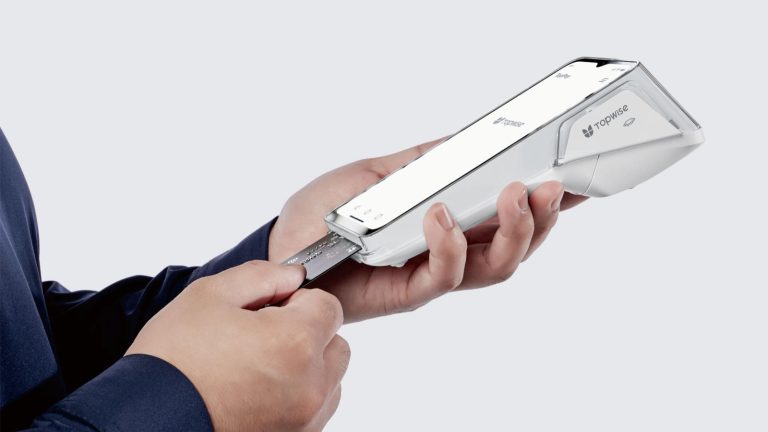
These two options are not rivals. SoftPOS shines when mobility matters. It runs on a device you may already own and makes it easy to add extra payment points. A payment terminal is purpose-built for payments. It suits fixed checkouts and gives busy counters a consistent, familiar setup.
In short, SoftPOS makes the most sense when you sell away from a counter or need a flexible extra payment point. A terminal makes the most sense when you have a stable, high-volume counter. That is why many businesses use both: a terminal at the counter and SoftPOS for everything beyond it. The right mix depends on how you work, where you serve customers, and what your team needs.
Many businesses end up wanting both, and that’s perfectly fine. CYNEXIX helps businesses explore mobile payment acceptance, traditional equipment, or a mix of the two, so you don’t have to guess which is right for you.
Is SoftPOS Right for Your Business?
Before you decide, ask yourself a few honest questions. Where do most of your sales happen? If many happen away from a counter, SoftPOS deserves a closer look. Do your team’s phones qualify? If not, you may need to budget for suitable devices.
How busy are your peak periods? An extra payment point may help, or a second terminal may suit better. How reliable is your connection? Places with a weak signal need a backup plan. And who will look after the devices? Someone should own security, updates, and staff training.
Getting Started
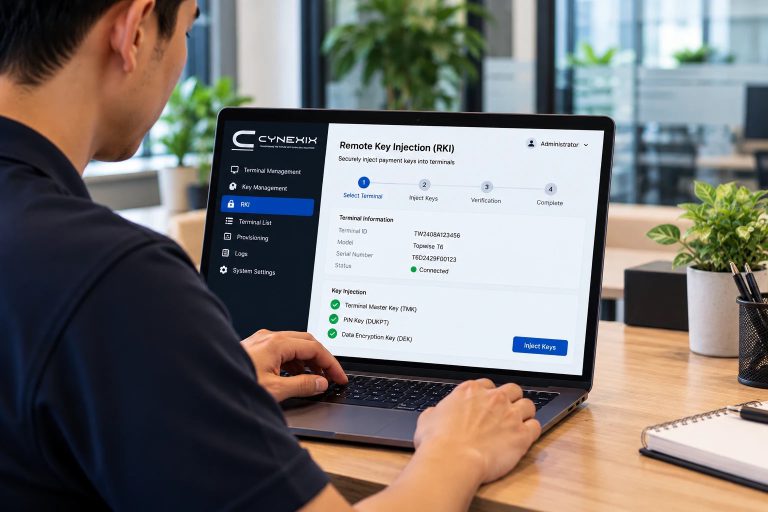
If you’d like to try it, you don’t need a big project. Start by checking your devices: make sure your phone or tablet supports contactless payments and has an up-to-date system. Next, choose CYNEXIX as your overall service provider. Instead of juggling separate companies for devices, setup, and support, you get one partner to guide you through the whole journey, including checking that the payment service is properly certified and supports the card brands your customers use.
Then run a small pilot with one seller, one delivery route, or one busy shift before rolling it out. Finally, review the results by comparing speed, customer feedback, and day-to-day convenience with your current setup.
Why Choose CYNEXIX as Your Technology Partner
Choosing a payment solution is rarely just about picking an app. You also need compatible devices, the right equipment for each location, a smooth setup, staff who feel confident using it, and someone to call when something doesn’t work. A cheap tool that is hard to set up or support can cost more in time and stress than a slightly pricier one that works smoothly.
This is where CYNEXIX comes in. A good partner starts with your business, not with a product. They ask how you serve customers, which payment methods you need, and what you already use. Then they help you compare the options honestly, including options that are not the newest or the most exciting.
Every business has different payment needs. The right solution depends on how you operate, where you serve customers, and what your team needs. CYNEXIX is a technology company that sells technology products and provides business technology solutions. We help businesses explore suitable options that fit their day-to-day operations, whether that means mobile payment acceptance, traditional equipment, or a combination of both.
Ready to Explore Your Options with CYNEXIX?
Whether you are curious about SoftPOS, comparing it with a dedicated payment terminal, or simply want to understand what would suit your business, a friendly conversation is a good place to start.
Contact CYNEXIX. Tell us how you sell, where you serve customers, and what your team needs. We’ll help you explore suitable technology options and work out a sensible next step.
About the Author