Why Dual-Screen POS Is More Interesting Than It Looks
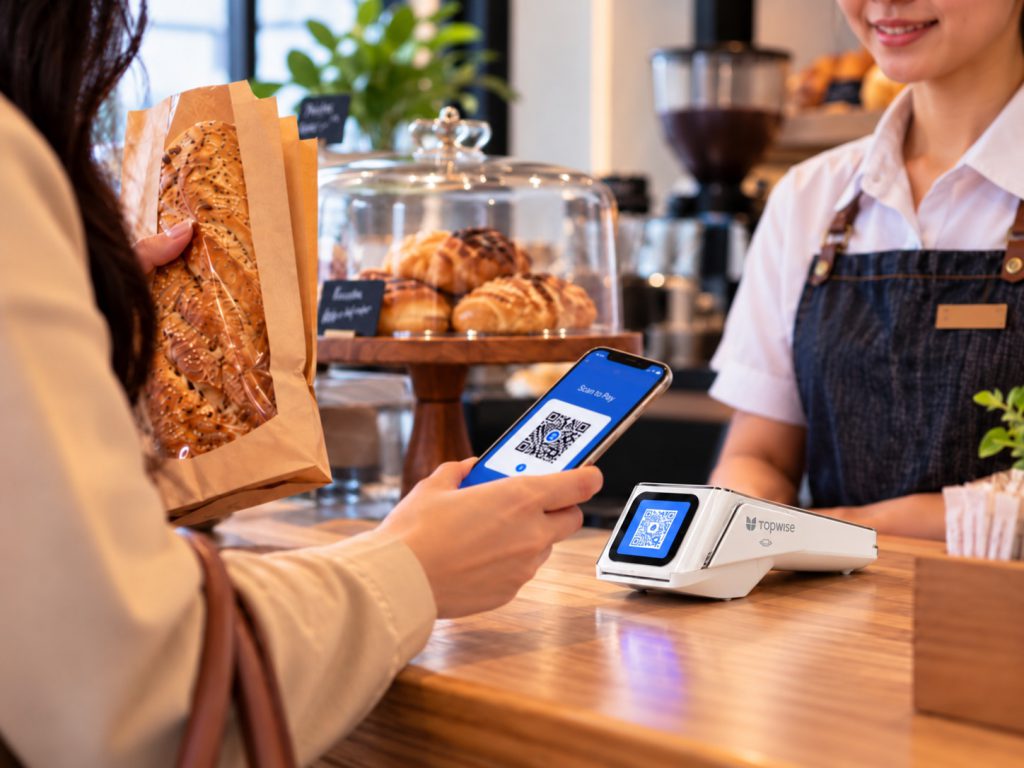
At a busy café, a customer orders an iced latte and a sandwich. The cashier enters the order and confirms the total, while the customer prepares to pay. The customer wants to check the amount, understand the available payment options, and complete the transaction quickly.
This interaction may seem simple, but it plays an important role in the overall checkout experience.
A dual-screen Point of Sale (POS) terminal makes this process more transparent and convenient: the merchant manages the transaction on one screen while the customer views the relevant information, and interacts with the payment, on the other.
A customer-facing screen becomes part of the payment journey, not just a passive display.
More Than Just Two Screens
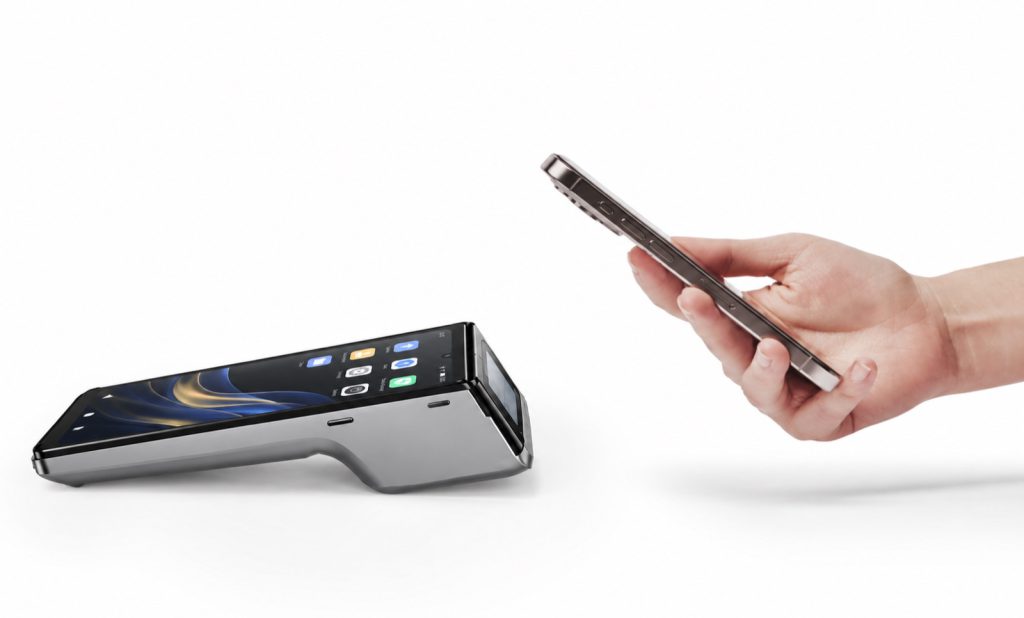
A dual-screen POS provides one screen for the cashier and another facing the customer. While the cashier manages the transaction, the customer views the payment information on their own display.
In our café scenario, the cashier enters the order and confirms the amount while the customer checks the total on the customer-facing screen. Instead of repeatedly asking, “How much is it?” or “Is the payment successful?”, customers can follow the payment process for themselves.
This simple change reduces unnecessary questions, improves transaction transparency, and creates a smoother checkout experience, especially during busy periods.
Parallel Interaction: Less Back-and-Forth, Better Checkout
A dual-screen POS lets merchants and customers follow different parts of the same transaction at the same time. While the cashier manages the order, the customer reviews the amount and prepares to pay on the customer-facing screen.
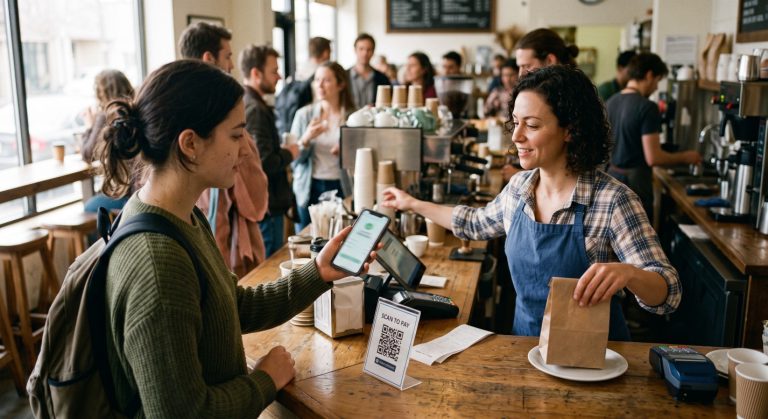
At a busy café, the cashier confirms the order while the customer is already scanning the Dynamic QR code displayed on the second screen.
By making the key information visible at the right time, the system removes unnecessary explanations and keeps the checkout organized.
QR Payments: Making Digital Payments Easier
Integrated with a Dynamic QR payment solution, a dual-screen POS makes digital payments even more convenient.
Returning to our café: once the cashier confirms the order total, the POS generates a Dynamic QR code linked to that transaction and displays it on the customer-facing screen. The customer scans the code with their banking or payment app, reviews the payment details, and authorizes the transaction.
Compared with manually entering payment amounts or relying on a separate QR display, this reduces input errors and makes the payment process more straightforward. Because the QR code is generated for a specific transaction, the payment system can also associate the payment with the correct sale.
The result is a more connected checkout experience: the merchant manages the sale while the customer completes payment through their preferred digital payment channel.
Fewer Questions, Greater Transparency
A customer-facing display does more than show information. It helps customers understand what is happening during checkout.
In the café scenario, customers see the amount to pay, the QR code, and the payment status. That visibility answers the common questions before they are asked: “What is the total amount?”, “Where should I scan the QR code?”, “Has my payment gone through?”.
When transaction details and payment status are clearly displayed, customers complete more steps independently, and cashiers spend less time explaining routine information. The exact experience depends on the POS software and payment integration, but the principle is simple: clearer information leads to fewer interruptions.
A Practical Advantage for Merchants
For cafés, restaurants, retail stores, and other businesses with frequent customer transactions, a dual-screen POS supports a more consistent checkout process.
Its value comes from bringing several functions together: merchant-side transaction management, customer-facing information, and integrated payment options such as Dynamic QR. Rather than treating payment as a separate step, businesses create a more connected experience from confirming the amount to completing the transaction.
The benefit is not simply having two screens. It is making the interaction between the merchant and customer clearer and more efficient.
More Than Just a POS Terminal
Of course, a good payment experience involves more than the hardware. The payment application, QR integration, transaction processing, and confirmation messages all need to work together.
For merchants, the goal is to serve customers efficiently. For payment service providers and acquiring banks, it’s about delivering a solution that supports the required payment methods while fitting into their existing payment environment.
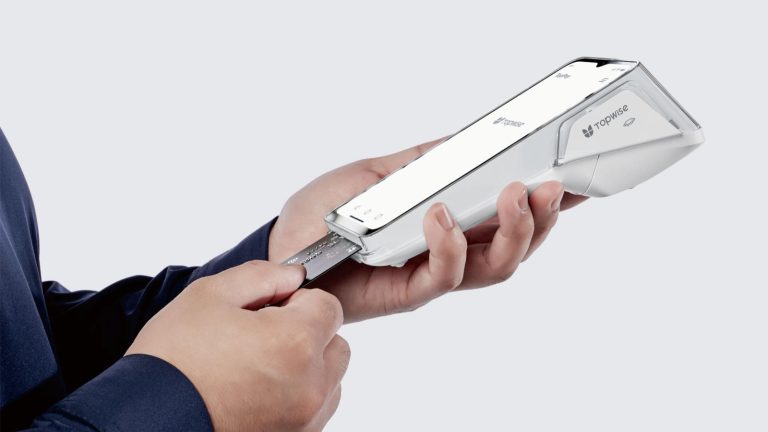
The Topwise T6D and Newland S90 offer an opportunity to bring these elements together in a more customer-focused way.
Final Thoughts
The real value of dual-screen POS is not having two displays. It is designing both screens to work together as one simple checkout experience.
A dual-screen POS may look like a small hardware improvement, but its real value lies in how it changes everyday payment interactions, from helping customers check their totals to letting them complete the payment on their own screen.
It also reflects a broader shift in retail technology: checkout is no longer only about accepting payment. It is about making the interaction easier to understand, easier to operate, and more useful to the customer.
Looking Ahead
At CYNEXIX, we believe better payment experiences start with practical solutions that connect merchants and customers. Discover our POS terminals and integrated payment solutions, or contact our team to discuss how dual-screen POS and Dynamic QR payment options could fit your business needs.
About the Authors